


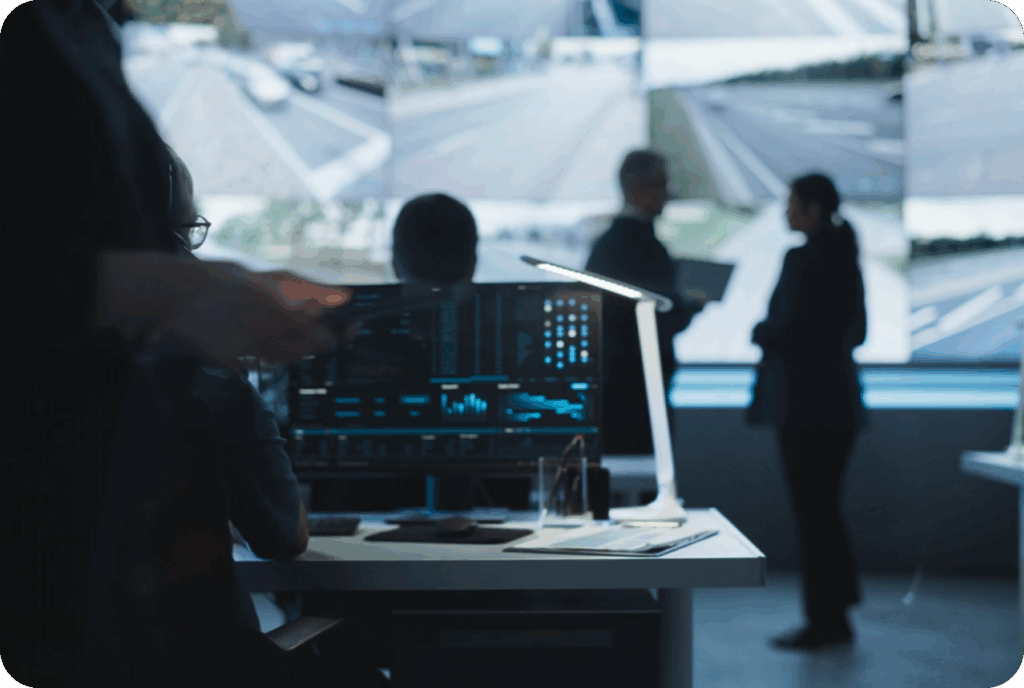
AI improves airport runway safety by automatically detecting surface problems, predicting maintenance needs, and enabling proactive repairs before issues become dangerous. Modern AI systems record video footage of runway surfaces, analyze frames to identify defects such as cracks, and tag observations with GPS coordinates for precise tracking. This technology helps airports maintain safer runways through predictive maintenance and data-driven decision-making.
What makes airport runway safety so important for aviation operations?
Airport runway safety forms the foundation of secure aviation operations because aircraft depend on smooth, defect-free surfaces for safe takeoffs and landings. Surface conditions directly impact aircraft performance, affecting everything from braking distance to wheel alignment during critical flight phases.
Poor runway conditions create multiple safety risks. Surface defects can cause aircraft to lose control during landing or takeoff, potentially leading to accidents that endanger passengers and crew. Even minor surface irregularities can damage aircraft components, resulting in costly repairs and flight delays.
Airport grounds maintenance teams must monitor runway surfaces continuously to ensure optimal safety standards. Regular airport infrastructure inspection and repair help identify problems before they compromise flight operations. This proactive approach protects both aircraft and passengers while maintaining operational efficiency across busy airport facilities.
How does AI technology detect runway surface problems automatically?
AI-powered monitoring systems detect runway surface problems by recording video footage during surface inspections and analyzing frames to identify defects and anomalies automatically. The system tags each observation with GPS coordinates and timestamps, creating precise tracking data for maintenance teams.
The technology works by capturing high-resolution video of runway surfaces through mobile devices or specialized equipment. Advanced algorithms process this footage frame by frame, scanning for irregularities that indicate surface damage or wear patterns that require attention.
Once defects are detected, the system automatically maps each finding with exact GPS coordinates and timestamps. This data is visualized on interactive maps, allowing airport maintenance teams to see precisely where problems exist and track their progression over time. The automated tagging eliminates manual inspection errors and ensures no surface issues go unnoticed.
What types of runway damage can AI systems identify and monitor?
AI systems identify surface issues such as cracks and other structural defects, along with infrastructure elements such as traffic signs and airport assets that require regular monitoring. The technology recognizes various damage patterns that could compromise runway safety or operational efficiency.
Surface damage detection includes identifying cracks of different sizes, surface wear patterns, and other structural irregularities that develop over time. The system can distinguish between minor cosmetic issues and serious defects that need immediate attention for safety reasons.
Beyond surface problems, AI monitoring tracks airport infrastructure elements such as signage, lighting systems, and other critical assets. This comprehensive approach helps airports maintain complete runway environments rather than focusing solely on pavement conditions. The system creates detailed inventories of all monitored elements, supporting better asset management and preventive maintenance for airports.
How does predictive maintenance help prevent runway safety issues?
Predictive maintenance prevents runway safety issues by analyzing current and historical data to forecast wear patterns and optimize repair scheduling proactively. This approach extends infrastructure lifespan through early issue detection before problems become safety hazards.
The system examines data trends to predict when and where surface problems are likely to develop. Historical analysis reveals patterns in runway wear, helping maintenance teams understand which areas need attention most frequently and why certain sections deteriorate faster than others.
This forecasting capability enables airports to schedule runway resurfacing services and repairs during optimal times, minimizing operational disruptions. Rather than waiting for emergency repairs that could ground flights, predictive maintenance allows planned interventions that maintain safety while keeping runways operational. The proactive approach prevents small issues from becoming major safety concerns that require extensive downtime.
What are the benefits of using AI for airport runway maintenance?
AI-driven airport runway maintenance delivers cost reduction benefits of up to 40% in maintenance expenses, improved safety outcomes, environmental advantages including lower CO₂ emissions, and enhanced operational efficiency. These benefits help airports optimize resources while maintaining higher safety standards.
Cost savings result from more efficient maintenance scheduling and early problem detection that prevents expensive emergency repairs. Airports can plan maintenance activities more effectively, reducing both material costs and operational disruptions that impact revenue.
Environmental benefits include reduced CO₂ emissions from more efficient maintenance operations and extended runway lifespan that decreases reconstruction needs. The technology supports sustainable airport operations by minimizing resource consumption and reducing the environmental impact of frequent repairs.
Enhanced operational efficiency comes from better maintenance planning that keeps runways available when needed most. AI-driven infrastructure monitoring solutions help airports balance safety requirements with operational demands, ensuring runways remain safe while maximizing availability for flight operations.
Modern airport infrastructure faces increasing demands for safety, efficiency, and sustainability. AI technology addresses these challenges by transforming traditional reactive maintenance into proactive, data-driven operations that benefit airports, airlines, and passengers alike. At ScanwAI, we help infrastructure owners implement these advanced monitoring solutions through expert consultation, making maintenance smarter, safer, and more cost-effective through real-time data and predictive insights.