


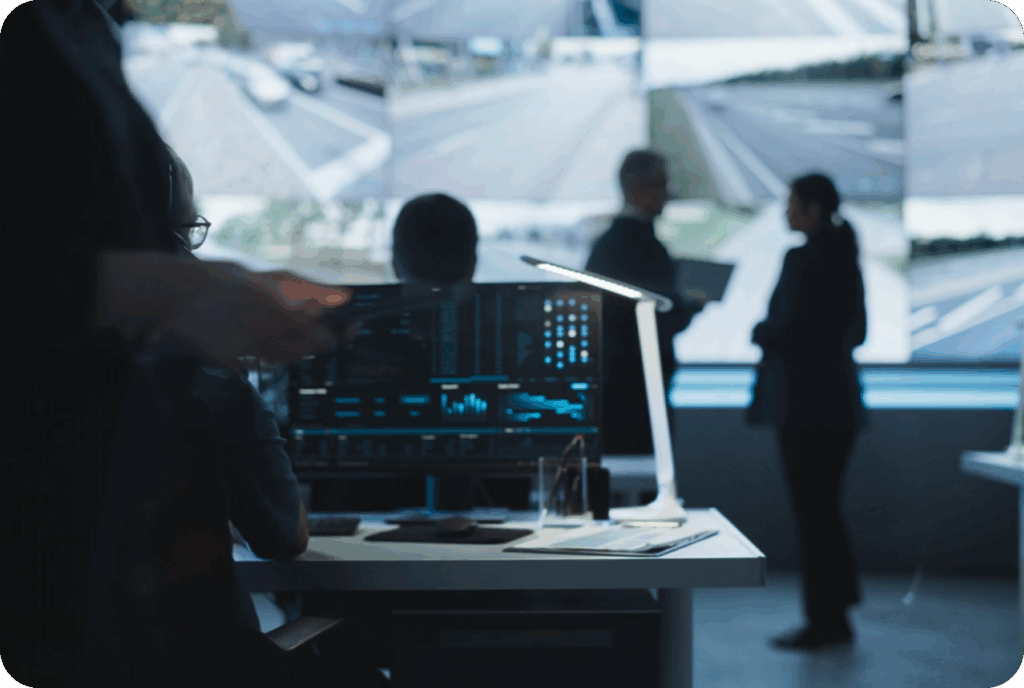
Smart airport maintenance systems offer significant sustainability benefits by reducing environmental impact through predictive technology and optimized resource management. These AI-powered solutions help airports minimize waste, extend infrastructure lifespans, and decrease carbon emissions while maintaining operational safety and efficiency.
What makes airport maintenance ‘smart’ and how does it differ from traditional methods?
Smart airport maintenance uses AI-powered monitoring systems that record video footage of airport infrastructure and analyze frames to detect defects automatically. The system captures high-resolution images while tagging each observation with GPS coordinates and timestamps for precise tracking and analysis.
Traditional airport grounds maintenance relies on scheduled inspections and reactive repairs. Teams typically follow fixed maintenance schedules regardless of actual infrastructure conditions, often missing early warning signs of damage. This approach leads to unexpected failures and emergency repairs that disrupt operations.
Smart systems transform this process by shifting from reactive to predictive strategies. The AI technology continuously monitors airport infrastructure conditions and repair needs by analyzing video footage frame by frame. When defects or anomalies are detected, the system automatically documents their exact location and severity.
The key difference lies in data-driven decision-making. Instead of guessing when maintenance is needed, smart systems provide real-time insights into infrastructure conditions. This allows airport operators to schedule repairs before problems become critical, reducing both costs and environmental impact.
How does predictive maintenance reduce environmental impact at airports?
Predictive maintenance systems help reduce CO₂ emissions by optimizing repair scheduling and preventing major reconstructions. By detecting issues early, airports avoid the environmental cost of emergency repairs and large-scale infrastructure replacement projects.
The environmental benefits come from more efficient resource use. When you know exactly what needs repair and when, you can plan maintenance activities to minimize equipment deployment and material waste. This targeted approach reduces the carbon footprint associated with transporting heavy machinery and materials to airport sites.
Smart systems also help airports avoid the environmental disruption of major reconstructions. Early detection of surface damage allows for targeted repairs that extend infrastructure lifespans. Instead of replacing entire sections of runway or taxiway, maintenance teams can address specific problem areas with minimal environmental impact.
Resource optimization extends to material usage as well. Predictive maintenance enables more precise planning of airport runway resurfacing services, ensuring materials are used efficiently and waste is minimized. This approach supports sustainable airport operations by reducing the overall environmental footprint of maintenance activities.
What specific sustainability benefits do smart monitoring systems provide for airport operations?
Smart monitoring systems provide concrete environmental advantages, including extended infrastructure lifespans, reduced need for frequent repairs, and lower resource consumption. Early detection prevents the larger environmental disruptions that come with emergency maintenance and reconstruction projects.
Extended infrastructure lifespan represents one of the most significant sustainability benefits. When damage is caught early, preventive maintenance for airports becomes more effective and less resource-intensive. Small repairs prevent the need for major reconstruction projects that require significant material and energy inputs.
These systems also reduce traffic congestion during maintenance periods. By enabling precise scheduling and targeted repairs, smart monitoring minimizes the time airport areas need to be closed for maintenance. This reduces the environmental impact of diverted traffic and extended operational disruptions.
Lower resource consumption occurs through optimized maintenance planning. Smart systems help airports use exactly the materials needed for each repair, reducing waste and minimizing the environmental cost of transporting excess supplies. This precise approach supports more sustainable airport infrastructure management practices.
How do AI-powered systems help airports track and visualize their maintenance impact?
AI-powered systems capture high-resolution images and automatically tag observations with GPS coordinates and timestamps, then visualize this data on interactive maps for precise tracking. This provides real-time insights that enable data-driven decisions for more sustainable operations.
The visualization capabilities allow airport operators to see maintenance impact across their entire facility. By displaying all findings on an easy-to-use, map-based platform, teams gain full visibility into infrastructure conditions and can track how their maintenance decisions affect overall sustainability goals.
Real-time data visualization helps airports measure the environmental benefits of their maintenance strategies. Teams can track how predictive maintenance reduces resource consumption, extends infrastructure lifespans, and minimizes environmental disruptions over time.
This comprehensive tracking system supports better decision-making for sustainable airport operations. When you can visualize the relationship between maintenance activities and environmental impact, it becomes easier to optimize strategies that support both operational efficiency and sustainability objectives.
Smart airport maintenance represents a significant step forward in sustainable infrastructure management. By combining AI-powered monitoring with predictive maintenance strategies, airports can reduce their environmental impact while maintaining the highest safety and operational standards. At ScanwAi, we help infrastructure owners make maintenance smarter, safer, and more cost-efficient through AI and real-time data solutions that support sustainable operations. Contact our maintenance technology experts to learn more about implementing these systems.